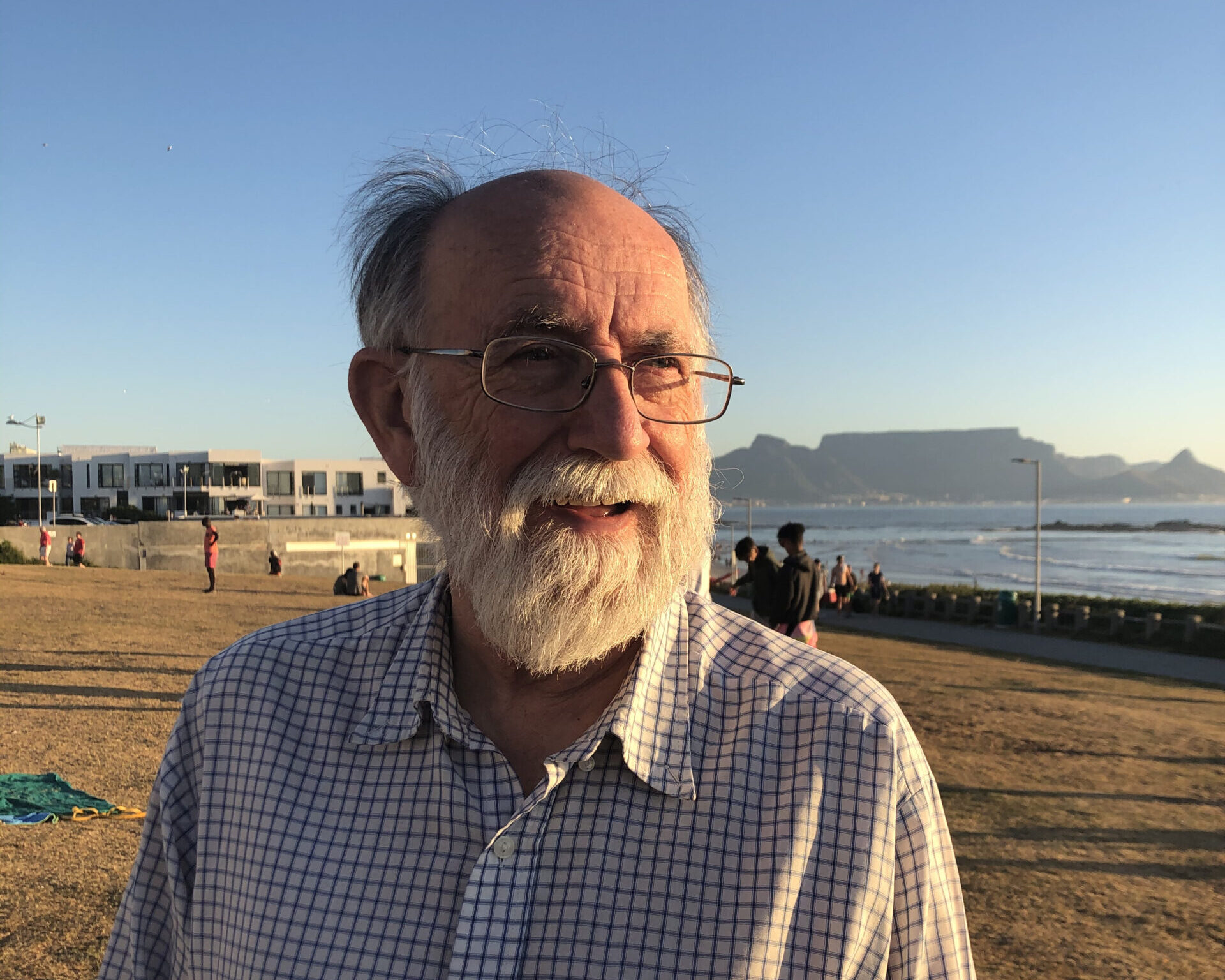
Dr Anthony John (Tony) Williams, 02 September 1942 -22 March 2026. Photograph taken on the shore at Melkbosstrand, with Table Mountain in the distance, by Socotra Williams in October 2019
His friends and colleagues were deeply saddened to hear of the passing of Tony Williams in Cape Town at the age of 84 on 22 March 2026. Tony hailed from Bridlington in Yorkshire, UK and came to South Africa to join the FitzPatrick Institute of African Ornithology at the University of Cape Town in 1973 after studying the behaviour of guillemots (Alcidae) on Bear Island in Norway, for which he received an MSc from the University of Sheffield in 1972. He obtained his PhD at the “Fitztitute” in 1980 for his study of the breeding biology of Macaroni and Southern Rockhopper Penguins on Marion Island, with the focus on their unusual egg dimorphism. Tony spent two year-long sojourns on Marion Island in 1974/75 and 1976/77. During his second year on the island, he famously lived for up to a week at a time sequestered in a repurposed fibreglass water tank right on the edge of the King Penguin colony at Archway Bay.
Tony was a keen naturalist who collected data on many aspects of the biology of Marion Island seabirds that fell far outside the focus of his PhD studies. He is perhaps best known for his co-authored papers on the impacts of seabirds on the terrestrial ecology of islands through their import of energy and nutrients.
After graduating, Tony worked for Cape Nature on the breeding seabirds of the southern African guano islands. He remained active after retirement and attended the Fitztitute’s Annual General Meeting just three days before his sudden death from a heart attack.
The Saving Marion Island’s Seabirds: The Mouse-Free Marion (MFM) Project reached out to people who knew Tony well for their reminisces and photographs of their times together on Marion and since then. Tony was well-liked as the following personal accounts attest.
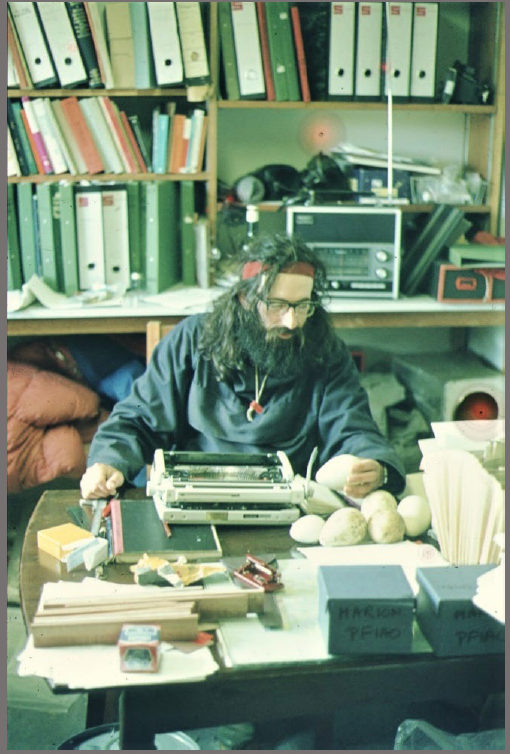
Tony Williams examines King Penguin eggs on Marion Island, photograph by Alan Burger
“Tony and I shared two separate years on Marion Island. In our first year (1974/75), I was Tony’s field assistant and we worked together on numerous projects – counting and banding seabirds, undertaking growth studies on several species, collecting guano for chemical analyses and much more. As a young 22-year-old I learnt a lot from Tony in that first year and he also gave me plenty of leeway to pursue my own interests, which ultimately led to my own research project on the island’s Lesser Sheathbills. In 1974 Tony was probably the oldest member of our overlapping teams and he had to put up with a lot of worldly ignorance among a bunch of 20-somethings. Occasionally Tony’s ribald stories would dismay the more conservative members of the team.
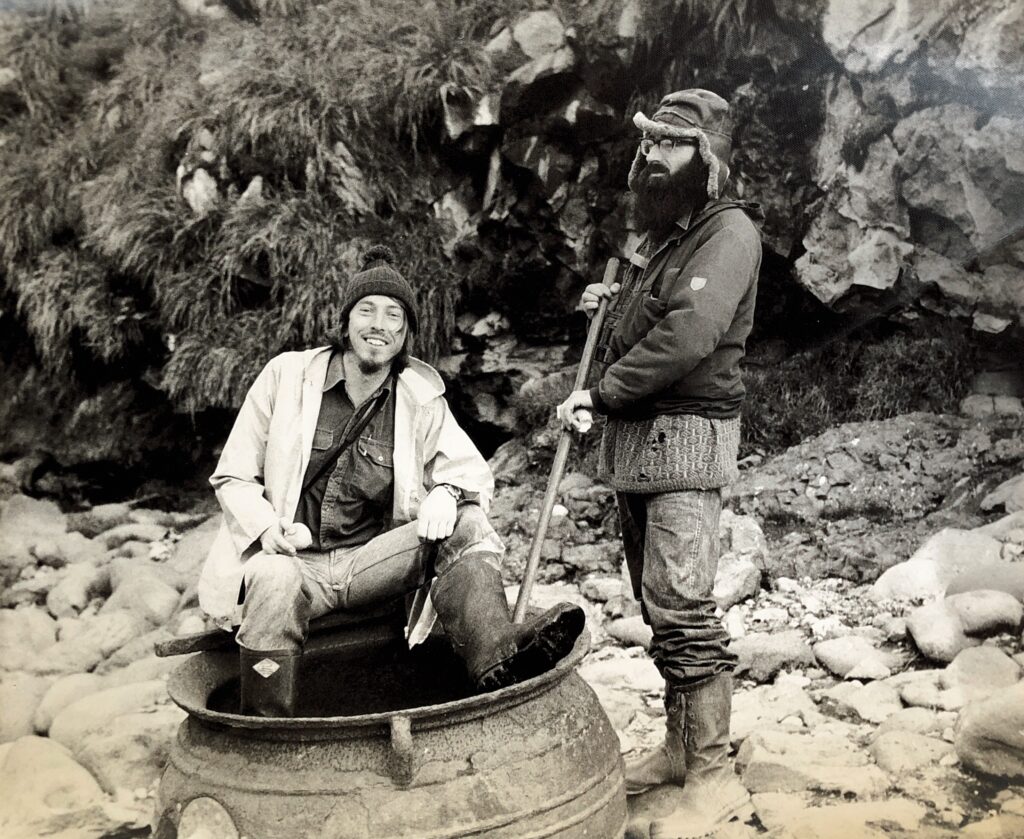
Tony Williams (right) and fellow 1976/77 team member Hans Lindeboom ham it up at the sealer’s trypot on Bullard Beach, Marion Island, photograph from Waitara Williams
In my second year on Marion over 1976/77 Tony and I worked on independent projects which led to both of us completing our PhD degrees at the University of Cape Town via the FitzPatrick Institute. Tony spent most of that year ensconced in a tiny fibreglass hut – a water tank fitted with a door and a window. With Captain Ernst Funk in command, the converted tank was towed ashore from the R.S.A., South Africa’s first Antarctic supply vessel, on a rubber inflatable raft, rolled up the stony beach and perched on some sturdy planks with ropes to secure it from the ever-present Marion gales. Tony could sit in his bed and watch the King Penguin colony just a few metres away. Definitely not an odour-free field station! Every now and then one of the huge Southern Elephant Seal bulls would come charging over to evict a rival and when crossing the planks would cause the entire hut to sway and shake. It was great to have a fellow ornithologist on the island in that year, and we shared many ideas and sources of information.
After 1980 when I moved to Canada, I gradually lost touch with Tony, but I will always fondly remember our shared experiences on that wonderful island.”
Allan Burger, retired ornithologist, British Columbia, Canada
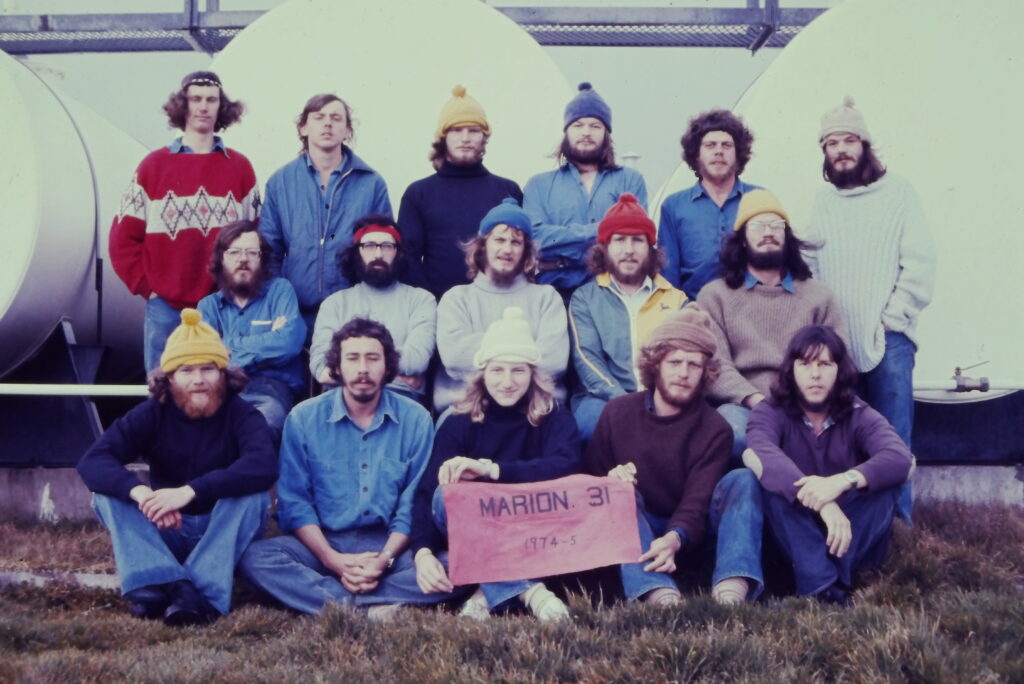
The Marion Island 31st Overwintering Team, 1974/75. Tony Williams is seated second from the left in the middle row, photograph by Raymond Thorpe
“Tony, Allan Burger, Graham Tilbury and I spent a year together on Marion Island as members of the 31st Overwintering Team between March 1974 and March 1975. I was the youngest member of the team on arrival at 18 and Tony was the oldest at 32. He used to say his beard was almost as old as me – not too much of an exaggeration!
I have great memories of Tony; he imparted his passion for seabirds to many of us and he helped to kick start my photographic interest in wildlife, particularly in seabirds which I still photograph regularly with my eldest grandson, in my adopted home of Wellington, New Zealand. During my stint on Gough Island in 1977/78, I monitored Sooty Albatross nests for Tony for his on-going research. As a meteorological technician on Marion Island, I was one of four who always made a point of trying to pull one over on Tony (the “Old Fart” as we called him) with some memorable successes, which were of course reciprocated. In turn Tony ‘fondly’ referred to the four meteorological technicians on the team as “Blexii”, his own plural for the originally Dutch word Bliksem (literally lightning, but used pejoratively in Afrikaans), which roughly translated to “scoundrels” in his mind.
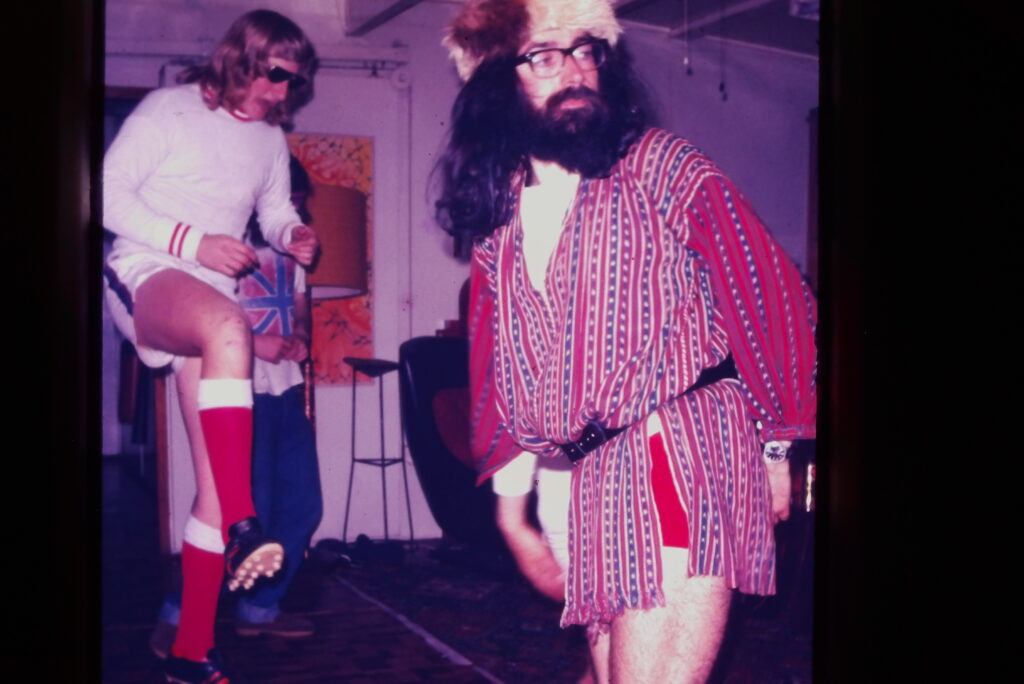
Russian fur hat and all. Tony dancing to the Rolling Stones, photograph by Raymond Thorpe
I remember Tony’s wild celebrations when the UK’s Lions trounced the Springboks at rugby by three wins and a draw in 1974, which didn’t go down that well with some of the more ardent South Africans in our team. I remember his love of sherry, playing chess and particularly his Russian fur hat, which he was seldom without, except during our occasional formal dinners and when showering. Although I do believe he wore it in the shower in the aftermath of our fancy dress party, as part of his Cossack outfit rocking to “Sympathy for the Devil” by the Rolling Stones!
He often used a few choice Afrikaans swear words that we taught him, such as when one of the Blexii met guys set off the fire alarm burning toast at 2 am after their night shift.
Tony was one of a kind. We, his beloved seabirds, the world premium sherry producers and the global marine ornithologist community will all miss him.”
Raymond (Ray) Thorpe, MetService (retired), Wellington, New Zealand
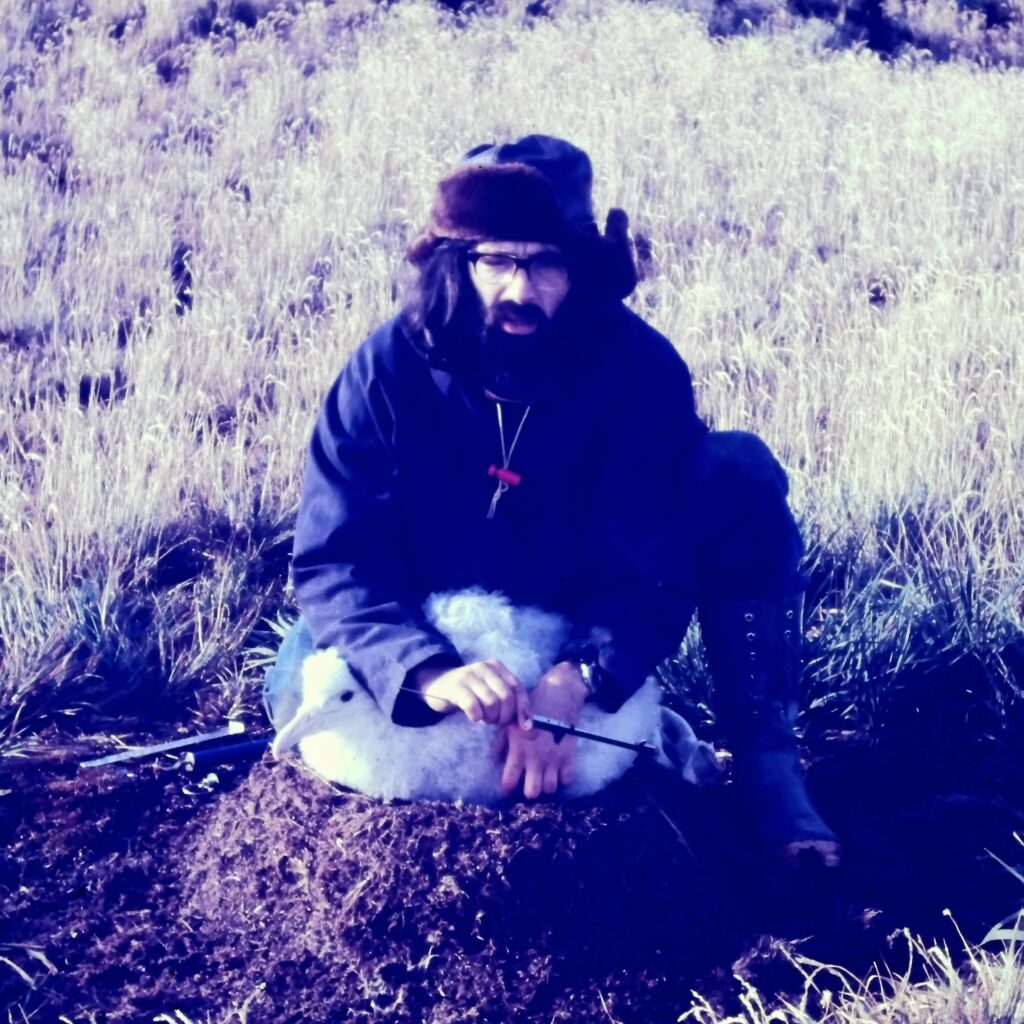
Tony measures the tarsus of a Wandering Albatross chick on Marion Island, photograph by Graham Tilbury
“I have many memories of sharing 1974/75 on Marion Island with Tony, accompanying him and other ‘birders’ on several field trips. One trip was a hike to the Grey-headed Albatross colony on the far side of Santa Rosa Valley. The weather was so bad we were unable to cross the valley and after three nights cramped into a tiny tent, we abandoned the site and had to hike back to base in snow and rain. Tony remained cheerful and optimistic throughout the entire ordeal.
Another trait of his was to neglect to clean his dishes after he had used the galley. We decided to move “his” dirty dishes into his bunk room; in the hope he would clean them. We had to abandon this idea after a few weeks. The remaining dishes in the galley were mysteriously disappearing, until we found piles of them stacked in his room. That was Tony!”
Graham Tilbury, Ionosphericist, 31st Overwintering Team, Marion Island
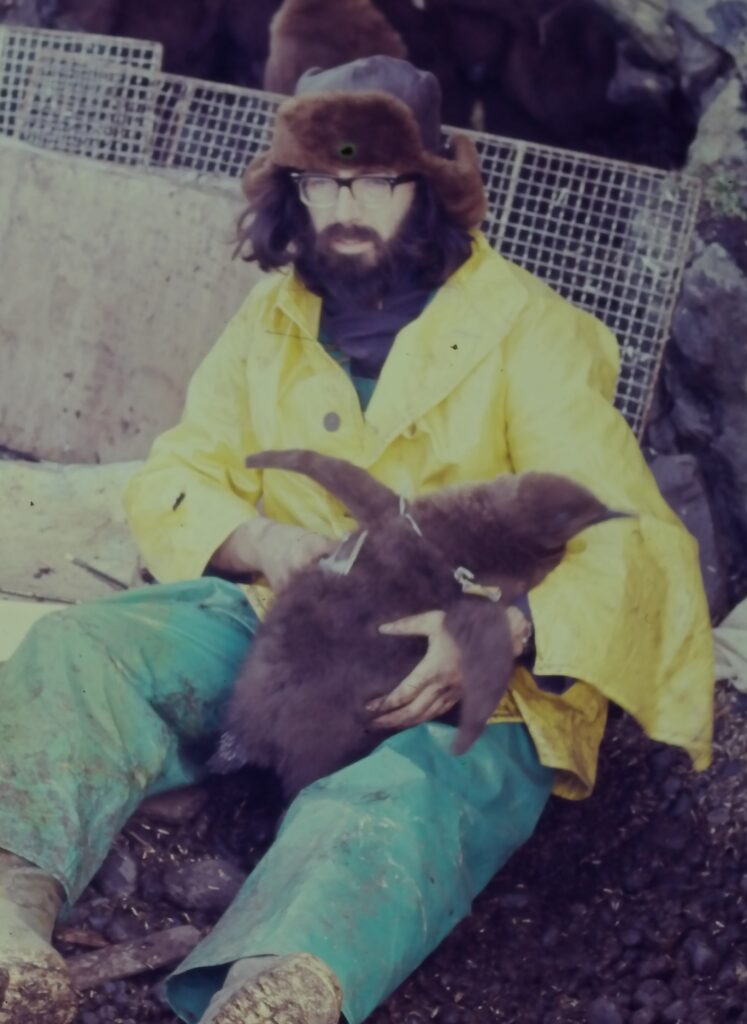
Suitably attired, Tony cradles a squirming King Penguin chick in the Archway Bay colony, photograph by Graham Tilbury
“I missed meeting Tony on Marion Island: my first trip there (of no less than 31 visits up to 2014) was in 1978, after he had left at the end of his second year – never to go back. As we were colleagues at the FitPatrick Institute in the 1970s I had heard his stories about living in a converted water tank. I was of course curious to see it and as soon as I could I headed for Archway Bay – about an hour’s walk (when island fit) from the weather station. “Tony’s Folly”, as I called it, was still there, with breeding King Penguins doing their usual smelly and noisy thing no more than two metres from its door. I laid down briefly on the rather decrepit foam mattress that was balanced on a plywood sheet on top of a couple of wooden “koskassie” boxes to test it out, head and feet all in contact with the inside of the circular wall. Good I suppose for bracing oneself when the hut rocked and shuddered in the often-strong winds or a Southern Elephant Seal galumphed into it (Tony said more than once an elephant seal fell asleep against the outward-opening door so he was stuck inside until it could be persuaded to move).
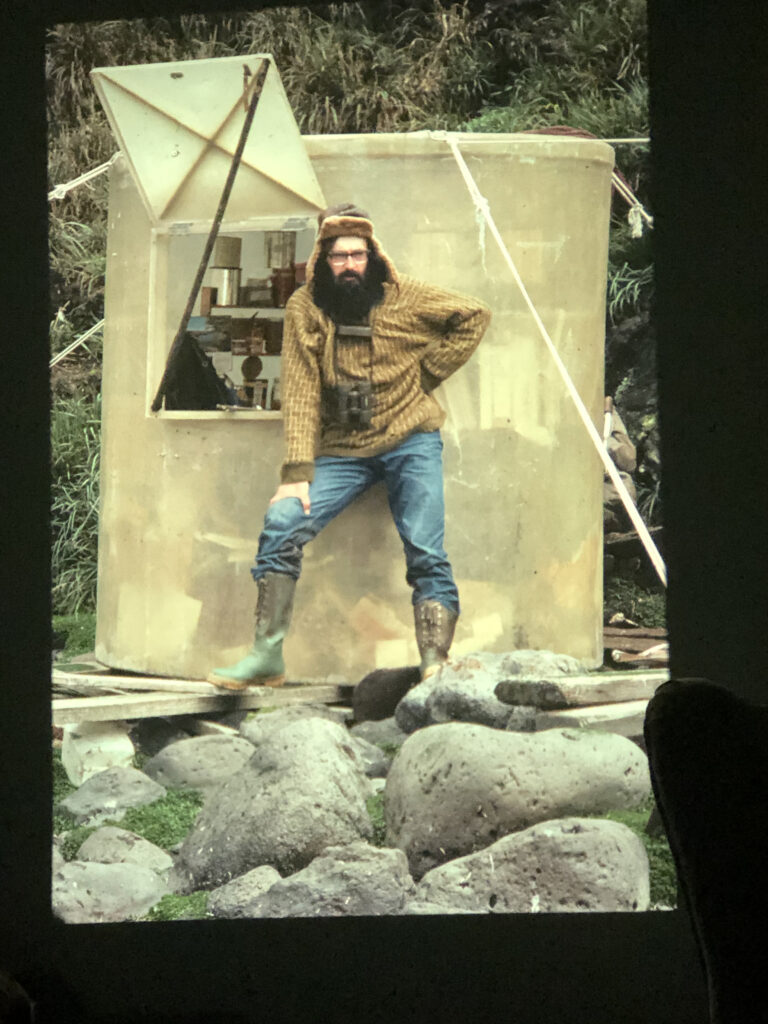
Tony Williams poses outside his converted water tank next to the King Penguin colony at Marion Island’s Archway Bay during the 1976/77 summer. The tank was deliberately left unpainted to allow light penetration, photograph from Socotra Williams
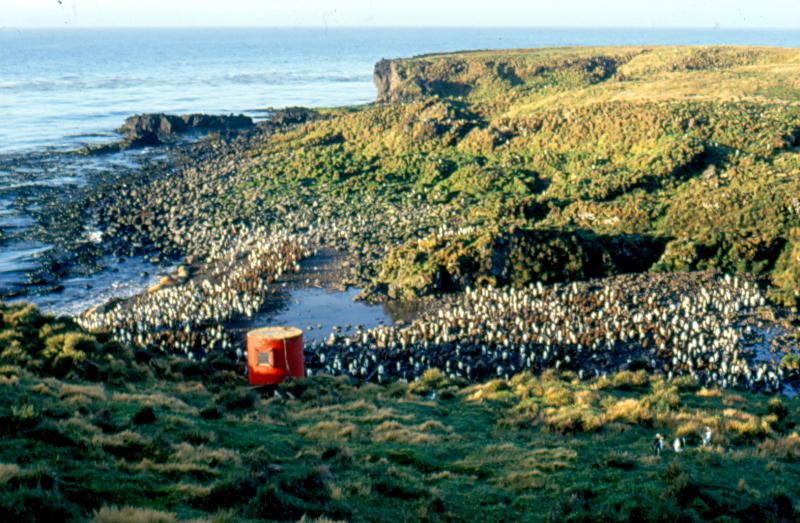
“Tony’s Folly” above the King Penguin colony at Archway Bay. At some stage it was painted orange from its original unpainted state and placed on the cliff top (as shown here) to use as a penguin observation hide and refuge in 1988/89, photograph by Bruce Dyer
Tony had told me that if he swung his legs out one way from his bed he faced the door and was then ready to go out to monitor his marked albatross, giant petrel and skua nests. The other way he faced the window where a shelf acted as his combined pantry and kitchen. I of course tested this style of living – “cramped” is hardly the word to describe it. I doubt many people, even the most hardened field workers, would have spent six days a week at a time for a full summer season putting up with the noise (King Penguins shout!) and the pungent aroma of rotting guano.
Tony was nothing if not dedicated. He would return once a week for a night in the base, taking advantage of his bunkroom, a shower, the washing machine, a proper hot meal prepared by team members and a movie, and then early the next morning fill up his pack with canned food for the week and head back to his water tank, still in time to undertake his daily nest checks and chick measurements. Not many could have kept up such a Spartan routine for months at a time.
In August 1982, after we attended a seabird conservation conference together in Cambridge, Tony took me to see the Northern Gannets that roost and breed within the spectacular Bempton Cliffs Nature Reserve at Flamborough Head on the Yorkshire coast. It is fitting that his family will scatter part of his ashes there, near the seabirds that he grew up observing and that set him on his long career as a marine ornithologist. The remainder of his ashes have been scattered into the sea within sight of Cape Town’s Table Mountain – from where Tony first left for Marion Island in 1974.
Vale, Tony – you were one of a kind.”
John Cooper, News Correspondent, Mouse-Free Marion Project, Cape Town
“I first met Tony on Marion Island at Ship’s Cove on a typically bleak day in April 1977. I had been sent to the island to collect 16 King Penguins for an overseas oceanarium. Tony was not happy to be involved but reluctantly assisted me with their capture which he made easy by simply marching them up a ramp onto a beached rubber raft on which a specialized crate was affixed.
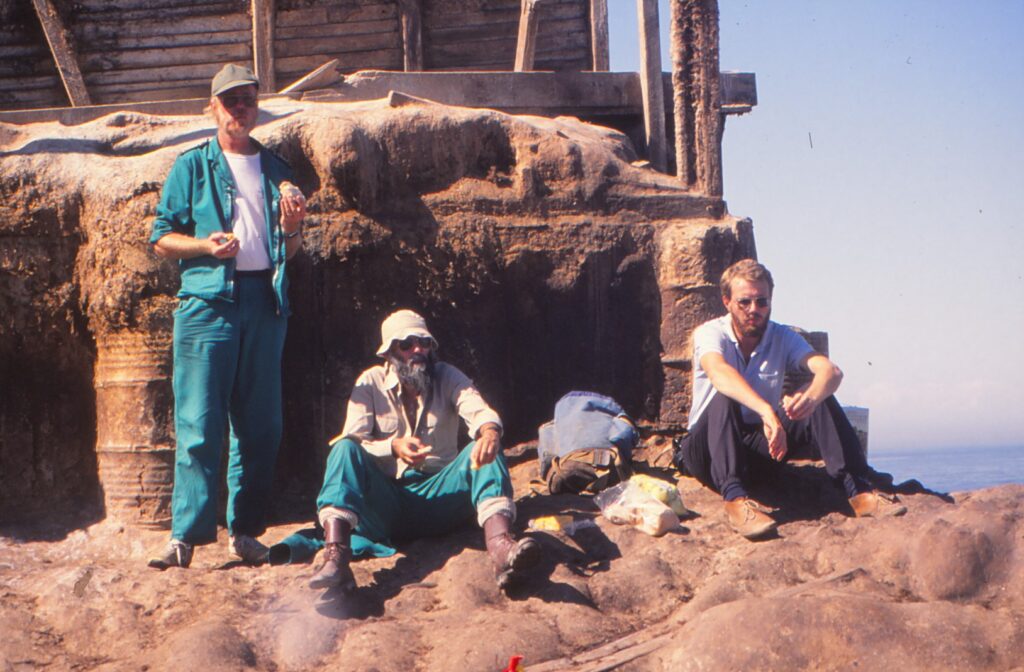
Tony (centre) takes a break on Hollamsbird Island on 9 May 1988, photograph by Bruce Dyer
I next met Tony during a seabird census on Dassen Island off South Africa’s Western Cape in October 1987. My catering skills were well below par and as a result we all worked overtime to trim our original week-long visit to just four days. Tony bore the brunt of this census and managed man-alone to count more than 40 000 Cape Cormorant nests. He still had the energy to prepare delicious meals at supper time. Despite this, he invited me to join an expedition in 1988 to the rarely visited Hollamsbird Island off what is now Namibia. We worked together well and managed to work out the area that Cape Gannets once occupied. He kindly included me in a publication of our 1990 visit to this island. It was the first of many publications in which he included me as a co-author.
Tony had relocated to Walvis Bay (when it was still part of South Africa) from Cape Town and took over monitoring the seabird colonies on the offshore guano islands. He was instrumental in having these islands declared nature reserves and in 1990, chasing away Mercury Island’s Cape Fur Seals which had been displacing several threatened seabird species. The seals relocated to the opposite mainland which from his initiative the Brown Hyaenas benefited. He invited me to join three other trips to the guano islands from 1991 to 1995, which were lasting memories, and of course included him whipping up his usual hearty meals after a long day in the field.
He did not travel well on the small island boats to and from Lüderitz, and despite him feeling a little green, sang some interesting sea shanties that were only broken by the shouts of “Sabine’s Gull, Shy Albatross”, etc. I certainly learnt a lot from his broad knowledge, of not only seabirds and shorebirds, but also of conservation and ecosystem management.
After he had moved back to South Africa when Namibia became independent, he was involved in helping design the double-story observation hide at the edge of the Cape Gannet colony on Bird Island, Lambert’s Bay, erected in 1998. To mark Tony’s passing I suggest the hide now be named after him in his memory. Towards the end of his ornithological career, he served as Chair of the Board of Directors of the SANCCOB Foundation, which rehabilitates oiled and injured African Penguins, from 1994 to 2001.
Tony was a legend in seabird conservation circles and will best be so remembered and sorely missed. Rest in peace my friend.”
Bruce Dyer, retired marine ornithologist, Cape Town, South Africa
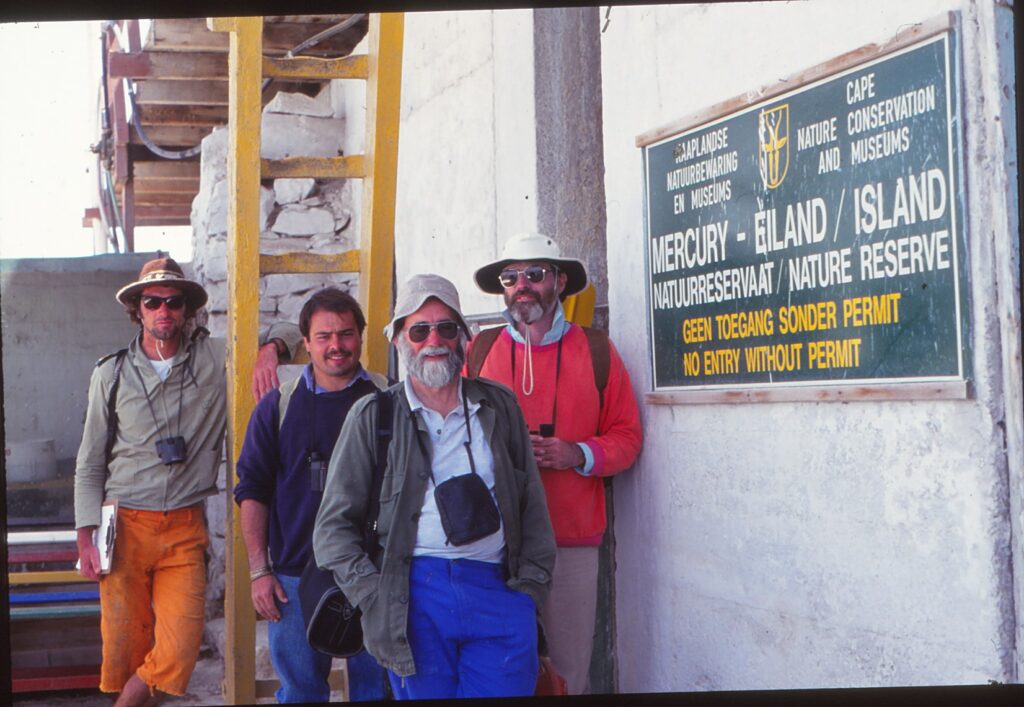
Tony Williams (in front) on Mercury Island off Namibia in November 1993, photograph by Bruce Dyer
“I had the enormous privilege of working with Tony Williams over a period of about 25 years, from the early 1980s to 2010, when he was employed at the FitzPatrick Institute and then by Cape Nature. He led or co-authored 28 papers with which I was involved. Each was greatly enhanced by his contribution. Tony had one of the sharpest minds in ornithology and seabird conservation that I have encountered. He was an excellent scientific writer, and had a cheerful, enthusiastic and generous personality. These characteristics inevitably made Tony one of the first persons I would turn to for counsel in analysing data and advising on the conservation of southern Africa’s seabirds.
In 1978, I had surveyed the seabird islands off South West Africa (Namibia since independence in 1990) with John Cooper and Peter Shelton. In 1985, it was time to reassess the seabird populations of these islands, whose administration had been transferred to Cape Nature. Tony was then based in Walvis Bay and I asked him to join the survey. He accepted with alacrity and before I knew it he had invited three or four other scientists to join him, without a clue as to the capacity of the Kuiseb, a small wooden vessel that would operate from Lüderitz, or the rudimentary accommodation on the islands to house them all. We managed to squeeze everyone on board and, the sea being rough as we exited the harbour, were soon ordered into the hold, the hatch being battened down above us. There, as we watched an unfortunate companion vomit into whatever container he could find, we were entertained by Tony singing sea shanties or provoking debate between colleagues of differing political persuasions. When we arrived at remote and difficult-to-access Mercury Island, we learnt that it had been re-colonised by fur seals, which had displaced many threatened seabirds from nest sites and barged their way into the only accommodation at the island. It took us the remainder of that day to eject the seals, the cormorants that had entered with them, and the ensuing lice from the house. After a couple more days working with the seabirds the Kuiseb sent a small boat to collect us. The crew asked if anyone would like a swim in the Atlantic. As I was covered in lice I readily accepted, only to see the boat speed off into the distance, doubtless under Tony’s prompting. Fortunately, it arrived back just in time to rescue me from hypothermia or drowning. Tony made ample amends for this misdemeanour by his prowess as a chef on islands we would still visit.
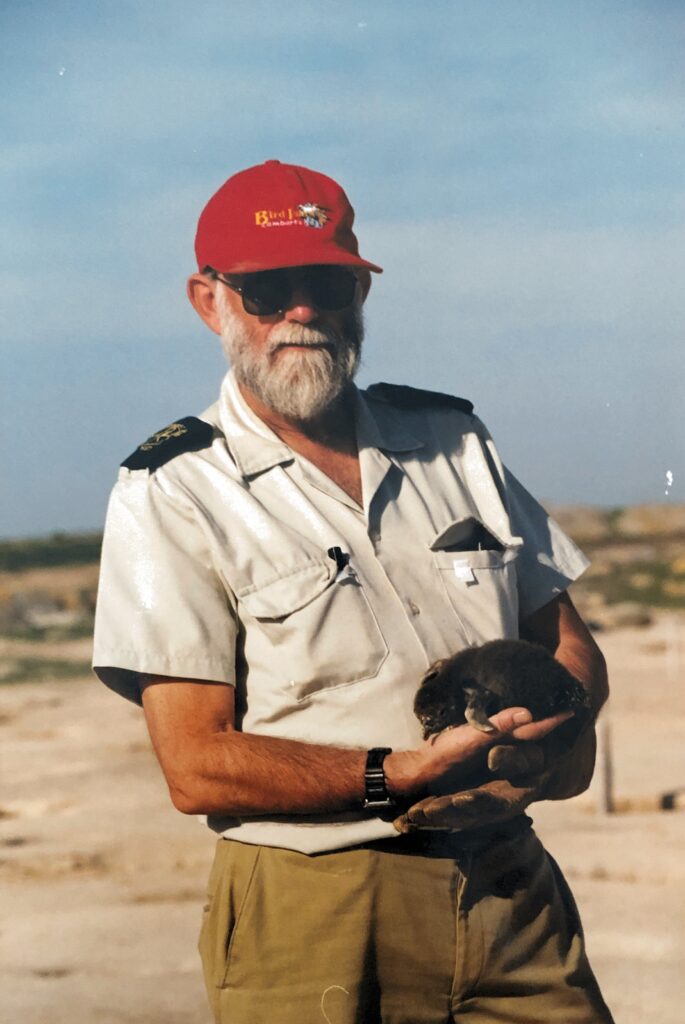
Tony Williams holds an African Penguin chick on a southern African guano island while working for Cape Nature, photograph from Waitara Williams
We learnt that the islands that were important breeding localities for seabirds would need to be staffed if the Benguela’s seabirds were to be conserved. Later Tony was to play pivotal roles in refining techniques to rescue and rehabilitate oiled African Penguins, including during the Apollo Sea and Treasure oil spills, and establishing protocols to limit the spread of avian diseases to and between seabird breeding colonies.
I owe so much to Tony and will always cherish his kindness and whole-hearted contributions to seabird conservation. With deepest sympathies to his family.”
Robert J.M. Crawford, retired marine ornithologist, Cape Town South Africa
All of Tony’s friends and colleagues from his time on Marion Island and the guano islands of Namibia and South Africa extend their condolences to his wife, Zona van Niekerk Williams, and his daughters from his first marriage, Socotra Williams and Waitara Williams.
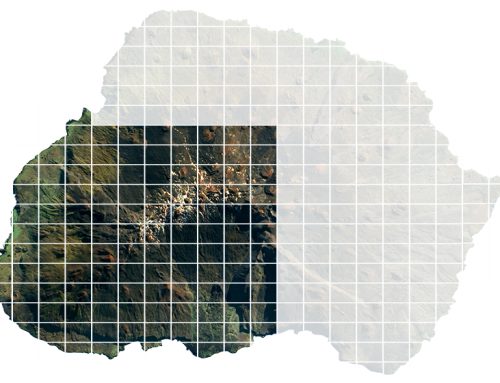
The following have generously sponsored a total of 133 hectares towards the MFM Project in memory of Tony Williams: David Ainley, David Allan, David & Helen Boyer, Alan Burger, Wilfred Chivell, John Cooper, Robert Crawford, Susan Cunningham, David Duffy, Bruce & Madeleine Dyer, Susie Ellis, Jan Glazewski, Doug Harebottle, Giulietta & James Harrison, Greg Hofmeyr & Maëlle Connan, Jessica Kemper, Rudi Loutit, Joshua Munn, Guy & Penny Preston, Patricia and Stephen Pringle, Peter Ryan, Robert Simmons, William Steele, Raymond Thorpe, Eduard van Zinderen Bakker Jr, Phil Whittington, Barbara Wienecke, Socotra Williams, Waitara Williams, Rory Wilson & Emily Shepard, and Anton & Leigh Wolfaardt. Thank you all.
Emeritus Professor Peter Ryan, former Director, FitzPatrick Institute of African Ornithology, co-authored the introductory text.
John Cooper, News Correspondent, Mouse-Free Marion Project, 28 April 2026
******************************************************************
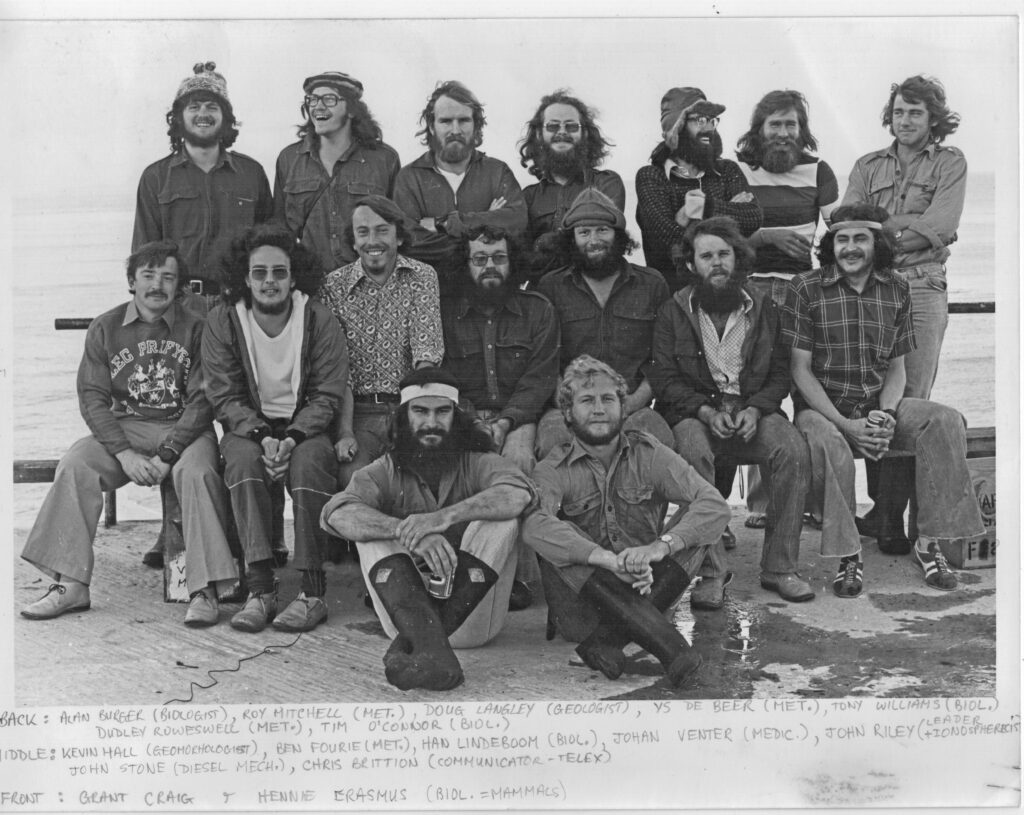
Tony Williams is in the back row, third from the right with the 33rd Overwintering Team (1976/77) on Marion Island, photograph from Alan Burger
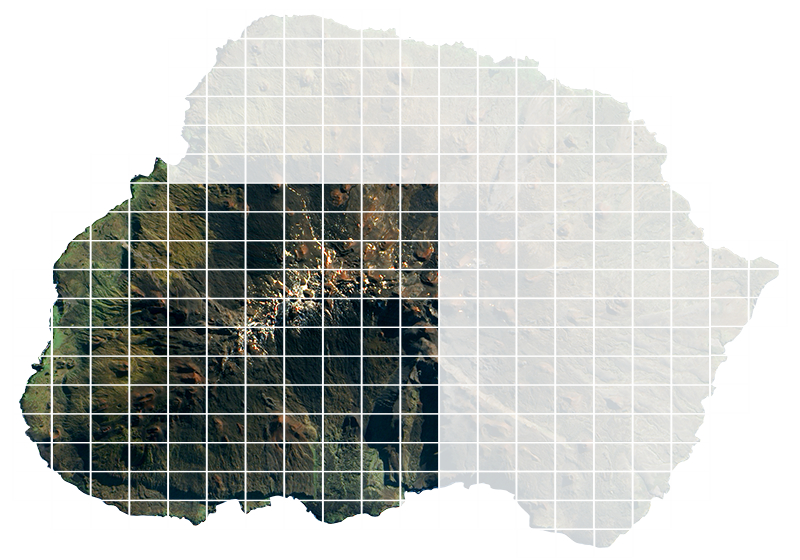
The Mouse-Free Marion Project is a registered non-profit company (No. 2020/922433/08) in South Africa, established to eradicate the invasive albatross-killing mice on Marion Island in the Southern Ocean. The project was initiated by BirdLife South Africa and the South African Department of Forestry, Fisheries and the Environment. Upon successful completion, the project will restore the critical breeding habitat of over two million seabirds, many globally threatened, and improve the island’s resilience to a warming climate. For more information or to support the project please visit mousefreemarion.org.