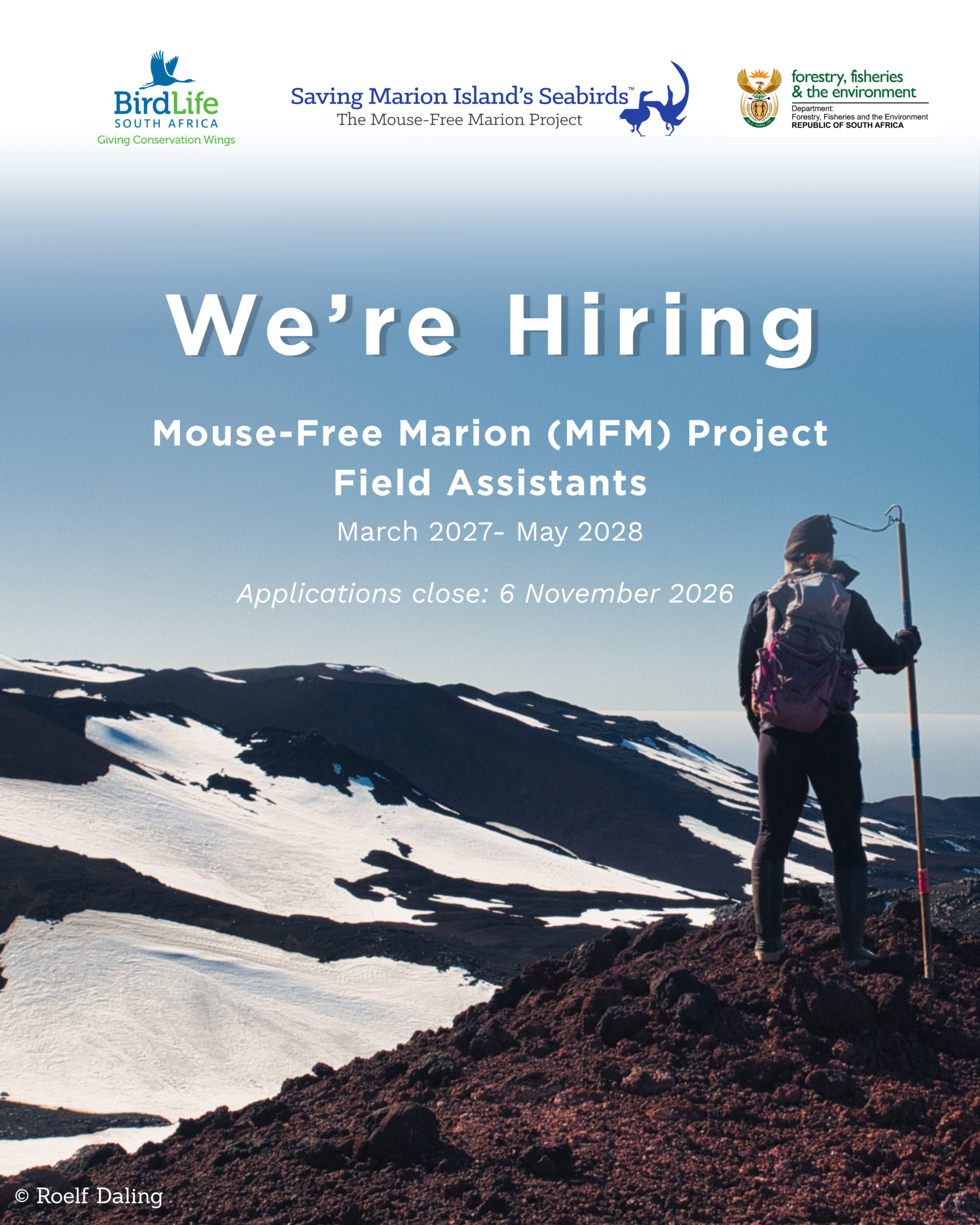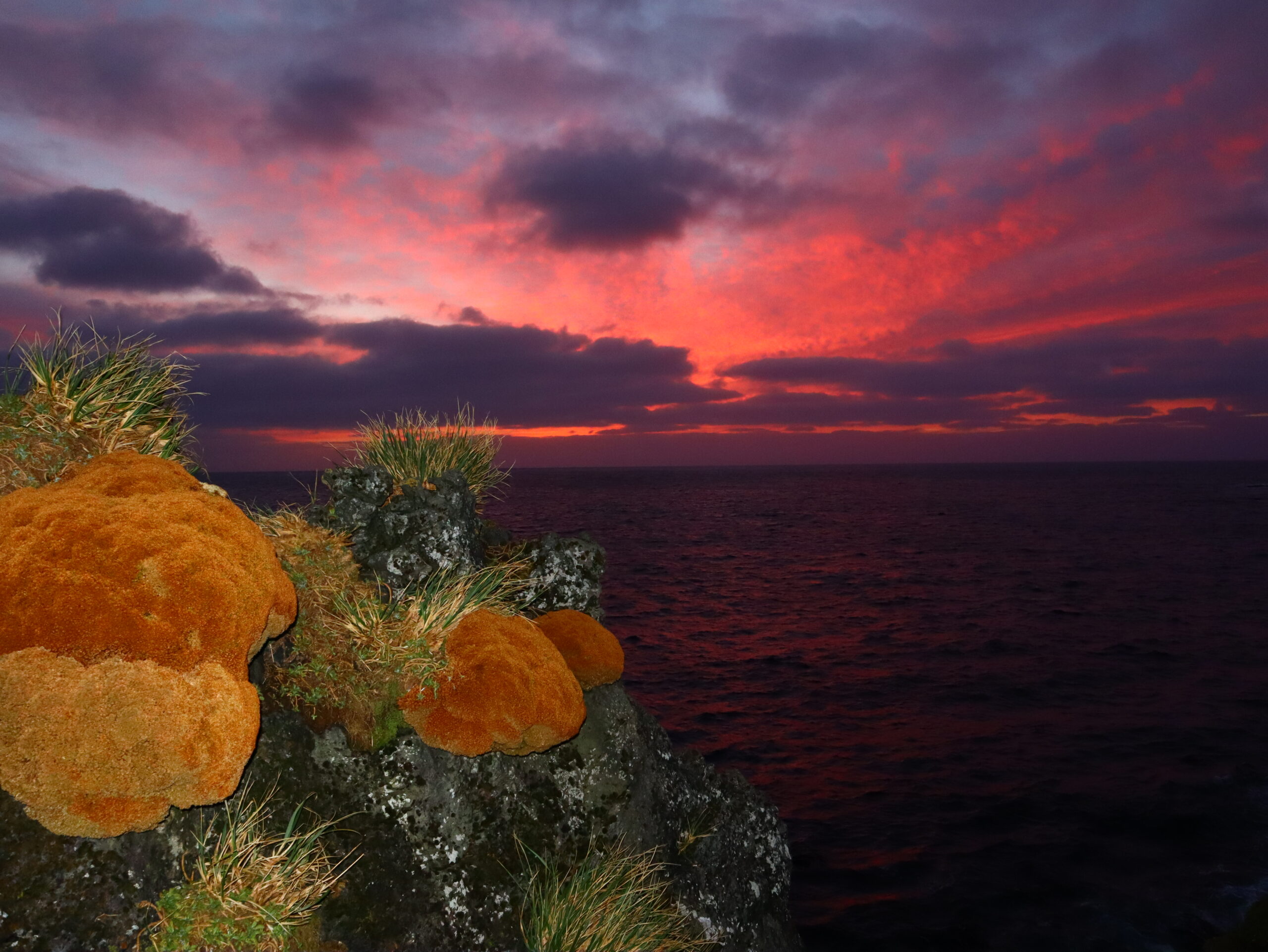
Colours of Marion Island, photograph by Stefan Schoombie
Invasive predators are silencing seabird islands. When nests are empty and burrows abandoned, a vital habitat becomes an echo of the vibrant ecosystem it once was.
On the 19th of June 2026, we celebrated World Albatross Day under the theme “Habitat Restoration”. The theme is based on the simple idea that eradicating invasive species can remove a major threat to native species that may otherwise face extinction. The rebounding in native plants, birds and other animals has been seen time and time again, on restored islands across the world.
On Australia’s Macquarie Island, the removal of feral cats, European Rabbits, Black Rats and House Mice led to an incredible rebound in life. Active Blue Petrel burrows were once again found on coastal headlands during the first summer after the eradication operation removed rodents. Pintado Petrels returned to breed, while populations of Soft-plumaged Petrels, diving petrels and Sooty Shearwaters began to re-establish themselves.
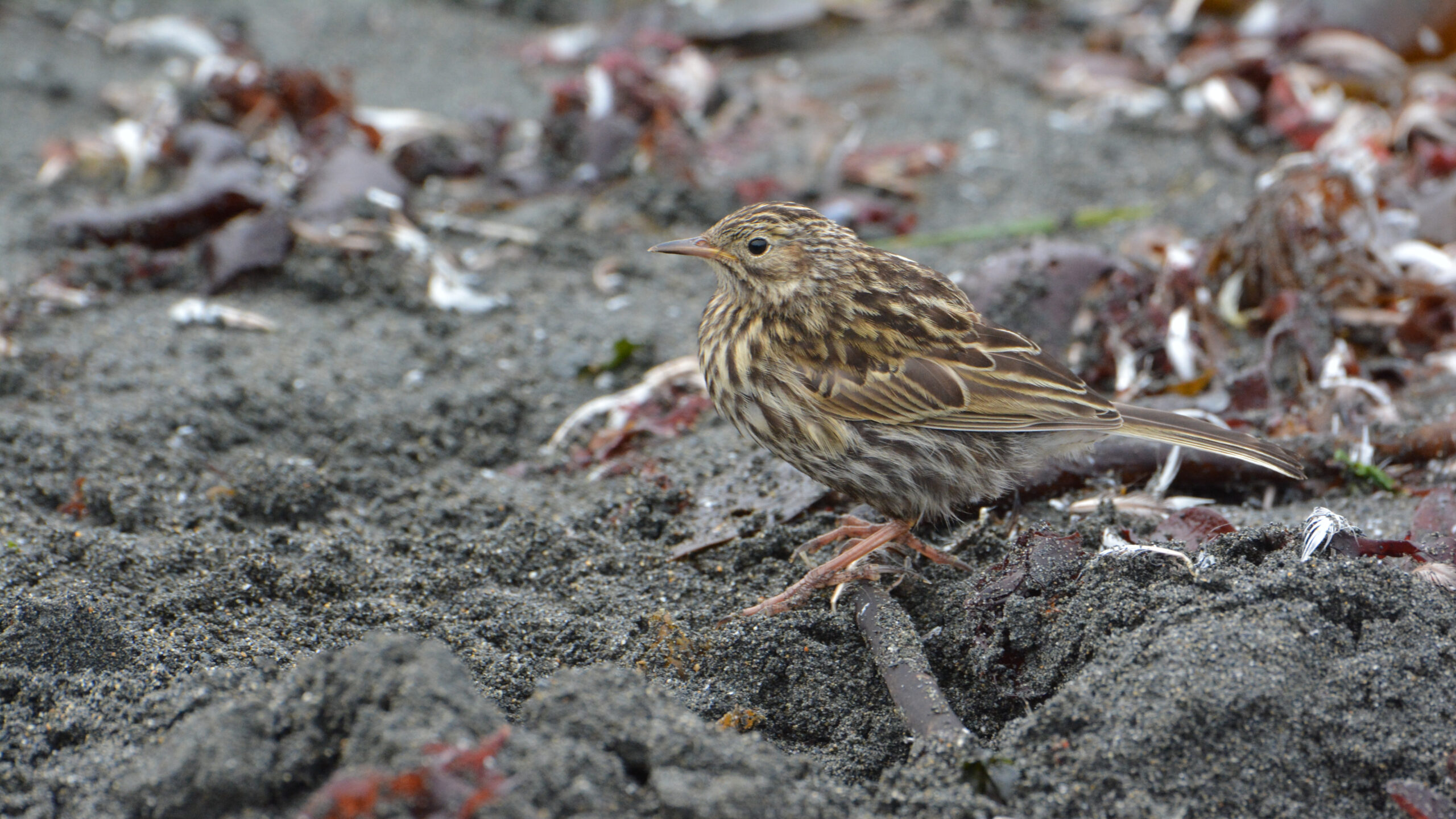
Above: Endemic South Georgia Pipits were downlisted from Near Threatened to Least Concern following the successful rodent eradication on South Georgia, photograph by Graham Wells
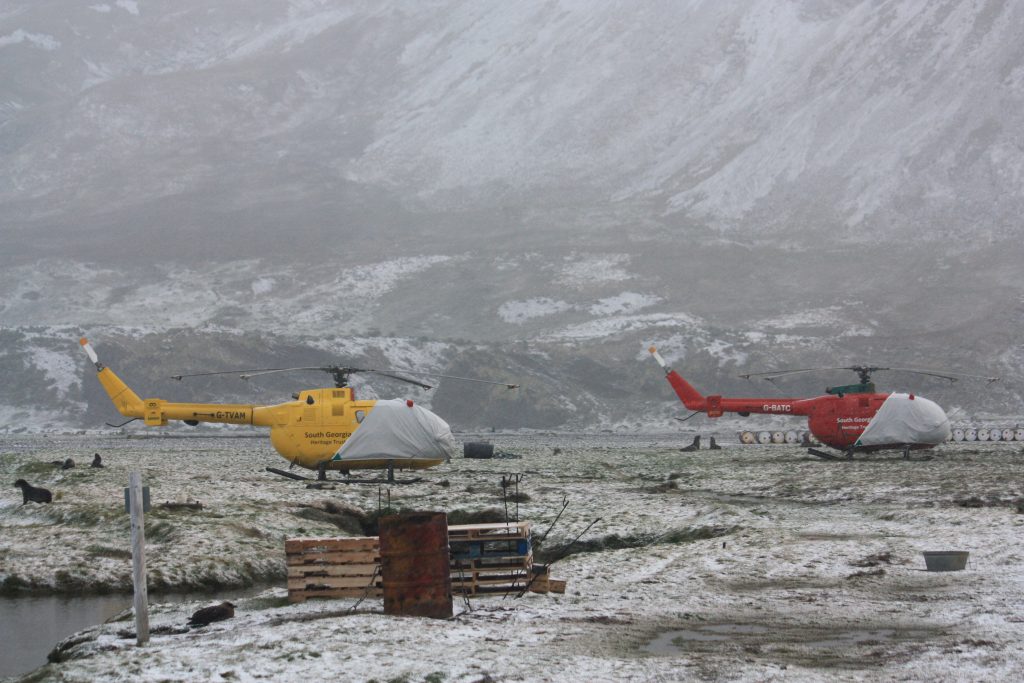
Above: Bad weather hampers the rodent eradication on South Georgia
The South Georgia Heritage Trust achieved a similar outcome on the United Kingdom’s South Georgia in the South Atlantic. The eradication of Norway Rats helped ensure the return of South Georgia Pipits, South Georgia Pintails, and numerous burrowing- and storm-petrel species.
On Australia’s Lord Howe Island, the breeding success of Black-winged Petrels increased dramatically from as little as 2.5% to 67% within one year of the removal of rodents. Similarly, the abundance of other bird species and endemic invertebrates on Lord Howe has increased by orders of magnitude since 2019, including the endemic Lord Howe Woodhen, which has increased in population from fewer than 500 to more than 2200 individuals. In another success since the rodents were eradicated, the Masked Booby is now breeding on the main island for the first time in several decades.
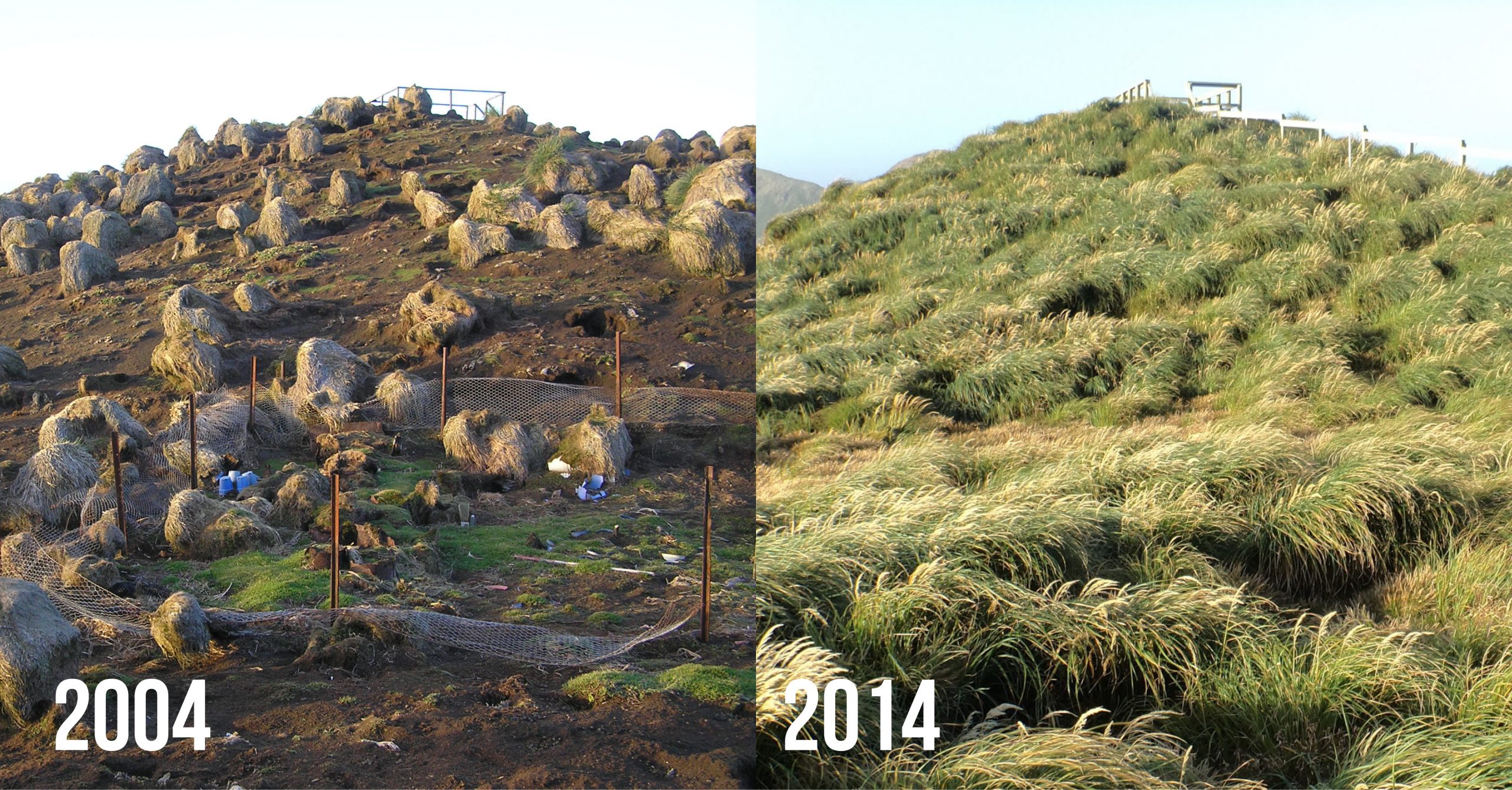
The remarkable recovery of vegetation on Macquarie Island after the Macquarie Island Pest Eradication Project removed rabbits in 2011. Photograph by Keith Springer. Read more about other successful island eradications here
But while eradication of invasive mammals has a proven track record on hundreds of islands, Marion Island is not necessarily a simple repeat of the process. Recent eradication failures at Gough Island in the South Atlantic and Midway Atoll in the Pacific were a sobering reminder that even well-implemented plans don’t automatically result in success. That is exactly why our team is working with global experts in island eradication to refine our strategy and incorporate lessons learned into practice.
International cooperation ensures that no island is left behind
The Mouse-Free Marion (MFM) Project is not the only large sub-Antarctic island with eradication plans currently underway. In New Zealand, the Department of Conservation (DOC) is progressing the Maukahuka Project, which aims to eradicate House Mice, feral pigs and feral cats from Auckland Island. At some 46 000 hectares, this island is more than 50% larger than Marion Island’s 30 000 hectares.
Some of the planning issues that both projects face centre on the aerial baiting regime that targets mouse eradication. While almost all previous mouse eradication projects have used a standard-sized rodent bait, recent thinking has sought to understand whether encounter rates might be influential in eradication success. This refers to the likelihood that every individual mouse will encounter bait pellets during its foraging and consume enough of them to ingest a lethal dose of the toxin.
Rather than improving encounter rates by increasing the application rate of a standard-sized bait pellet, which comes with a commensurate increase in costs to buy, transport and spread additional bait, a collaboration with the DOC is exploring the characteristics of a smaller bait pellet – at about 1 gram – which is half the weight of the 2-gram pellet usually used in rodent eradication operations.
Key characteristics of the bait pellets relate to their distribution from a spreader bucket slung beneath a helicopter. This method of dispersal means that bait pellets are subject to mechanical force when flung through a rotating spinner and are also influenced by the strength and direction of the wind as they fall to the ground. In addition, the pellets need to be distributed evenly across the width of the bait swath when sown. Pellets also need to remain intact for several days so that they are available for consumption. This is achieved through pellet hardness (from compaction during manufacture), as minimal wax is used for waterproofing, as is commonly used in commercially available bait blocks.
Earlier trials using a 0.6-gram bait that was narrower (5.5 mm diameter) than a standard bait (10 mm) showed that these lighter pellets that had a greater length to diameter ratio were prone to shattering more when distributed through the spinner. They were also more prone to drifting in the wind, as well as having a narrower swath width. These disadvantages ruled out operational use of this size of pellet for the MFM Project.
The MFM Project’s collaboration with the DOC therefore investigated a bait pellet with the same diameter as standard bait pellets, but shorter (14 mm vs 20 mm). Nominally, this means that in every kilogram of bait, there are 714 bait pellets, instead of 500 standard pellets per kg. If spread at the same nominal rate, there are nearly 40% more bait pellets on the ground for mice to encounter. These smaller bait pellets appeared to perform well in helicopter trials, with an even distribution, little bait shatter and a similar swath width to the standard bait.
To investigate this principle further, additional helicopter trials are planned using an even shorter bait pellet – this one at 10 mm diameter and 10 mm long and weighing one gram – effectively a ‘square’ shape (although the pellets are cylindrical). If these trials prove successful, this will deliver twice the number of bait pellets per kilogram of bait spread, compared with standard bait.
The findings of these recent and forthcoming helicopter trials with different baits in New Zealand will provide valuable information for both the MFM and the Maukahuka projects, in determining the preferred option for their respective aerial baiting operations to remove mice from these large sub-Antarctic islands.
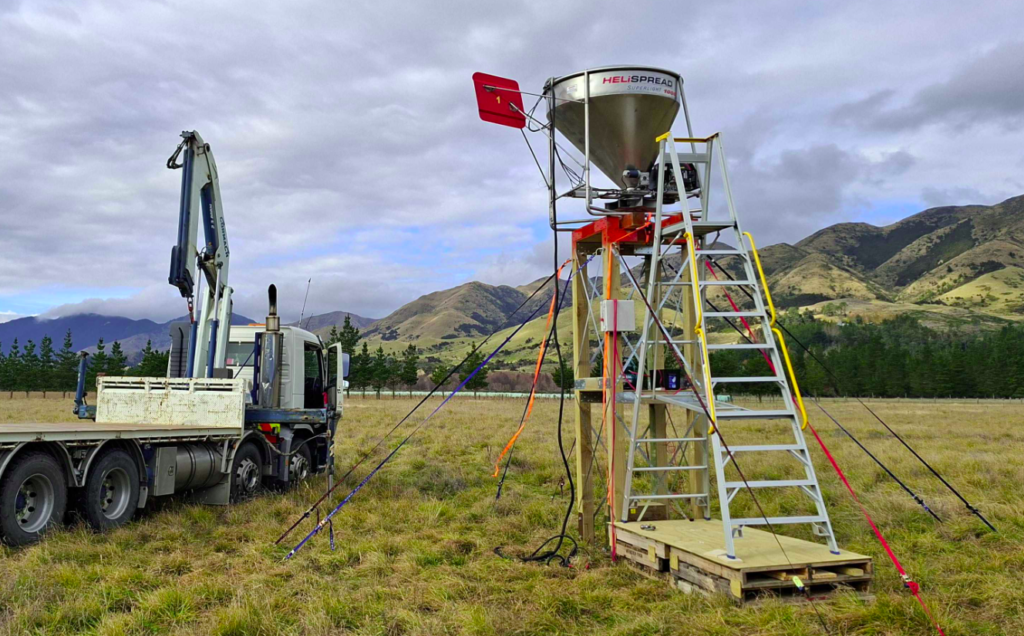
Bait bucket trials in New Zealand are exploring the characteristics of bait pellets when distributed from bait buckets through spinners
How we are working on Marion Island to refine our eradication strategy
In previous newsletters, we have reported on the work we have been doing on Marion Island since 2023 to refine our eradication strategy. MFM Project Field Assistants have consistently been monitoring weather conditions and conducting bait availability and exclosure plot trials. Researchers have also been undertaking ecological monitoring work to provide baseline information against which the ecological outcomes of the eradication operation can be assessed. In 2025, we undertook a hand-baiting trial with the aim of determining bait uptake at specific sites on Marion Island (read more about this work in the 14th issue of the MFM Project’s Quarterly Newsletter).
We plan on scaling up this work in 2027 by conducting a larger bait trial on the island. This work will be completed during the annual relief voyage to the island and will help us understand how a novel bait pellet configuration performs in Marion Island conditions. This trial will cover an area of 1,050 ha and will extend inland from the coast by 7 km. This will enable us to evaluate bait uptake in all of the different habitats present on Marion Island, from the coast up to and including the polar desert. After each of the two bait applications, team members will monitor bait plots to determine the rate of bait uptake and the rate of bait degradation.

Vonica Perold (MFM Project Field Assistant 2025/2026) hand-sows bait pellets as part of the investigations to determine bait uptake at specific sites on Marion Island, photograph by Roelf Daling
A future worth protecting
It’s in our name, “Saving Marion Island’s Seabirds”, but Marion Island is more than just birds. Mice have disrupted the ecosystem from the bottom up. After all, what is an ecosystem without insects and plants?
On a rare research trip in 2023 to Prince Edward Island, Marion Island’s rodent-free neighbour, researchers were astounded at the abundance of insects and vegetation. Marion is a stark contrast, as mice have decimated plants, particularly Azorella cushions, and reduced insect populations so drastically that spotting a rare, endemic flightless moth would be far more unusual than spotting an albatross. Prince Edward Island is the ideal we’re striving for. There, thriving insect populations keep Black-faced Sheathbills fat and well-fed. The ground vibrates with the calls of burrowing petrels, and the sky is filled with albatrosses coming in to land.
This is what we’re working towards. An entire ecosystem restored. The many steps we are taking now to ensure the success of the eradication operation will deliver a lasting benefit to Marion Island and return a compromised ecosystem back to life.
This article was first published in the 18th issue (July 2026) of the Mouse-Free Marion Project’s Quarterly Newsletter.
Keith Springer, MFM Project Operations Manager & Robyn Adams, MFM Communications Officer and Project Assistant, 05 August 2026
*****************************************************************************************
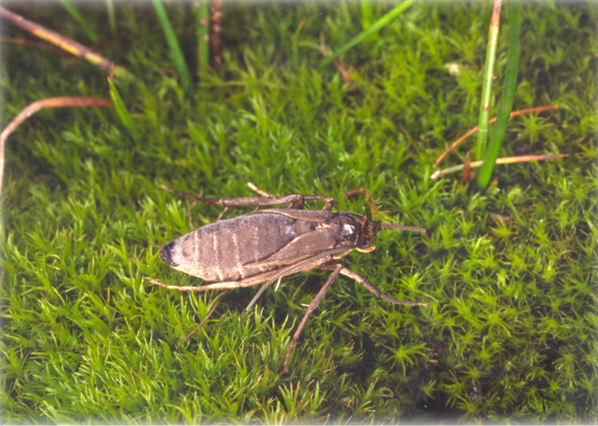
The Marion Flightless Moth Pringleophaga marioni is rarely encountered on Marion Island; without mice it should become abundant, photograph by Valdon Smith
The Saving Marion Island’s Seabirds: The Mouse-Free Marion (MFM) Project is a registered non-profit company (No. 2020/922433/08) in South Africa, established to eradicate the invasive albatross-killing mice on Marion Island in the Southern Ocean. The project was initiated by BirdLife South Africa and the South African Department of Forestry, Fisheries and the Environment. Upon successful completion, the project will restore the critical breeding habitat of over two million seabirds, many globally threatened, and improve the island’s resilience to a warming climate. For more information or to support the project please visit mousefreemarion.org.