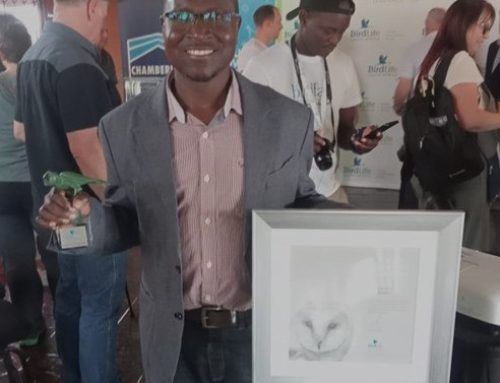
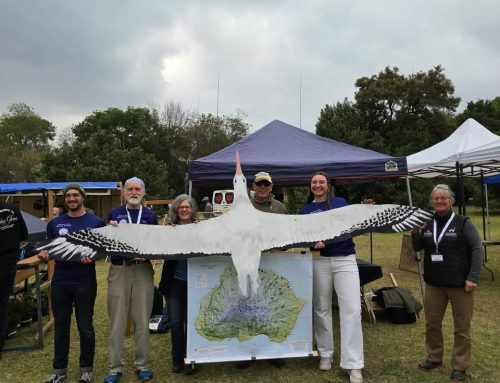
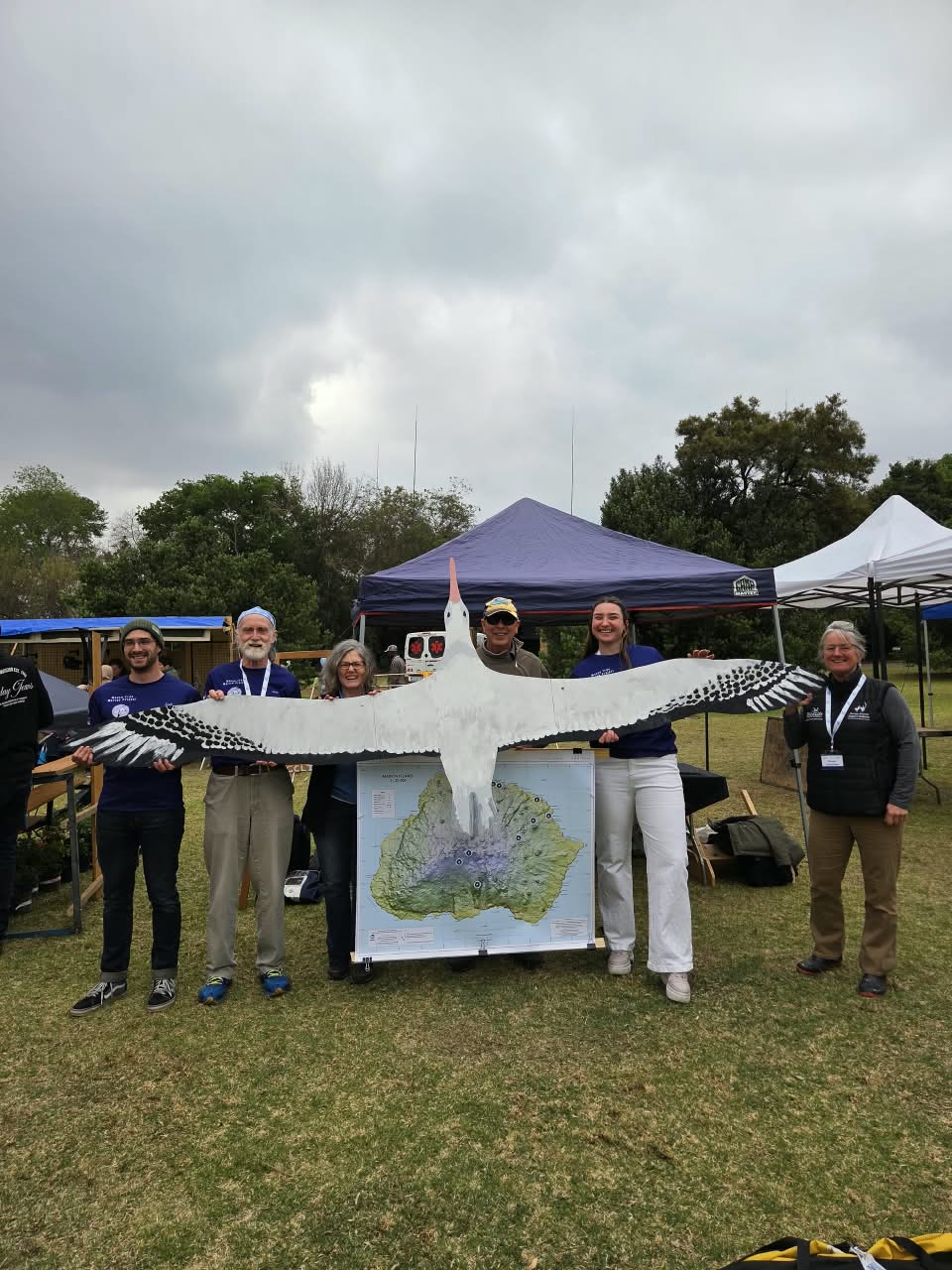
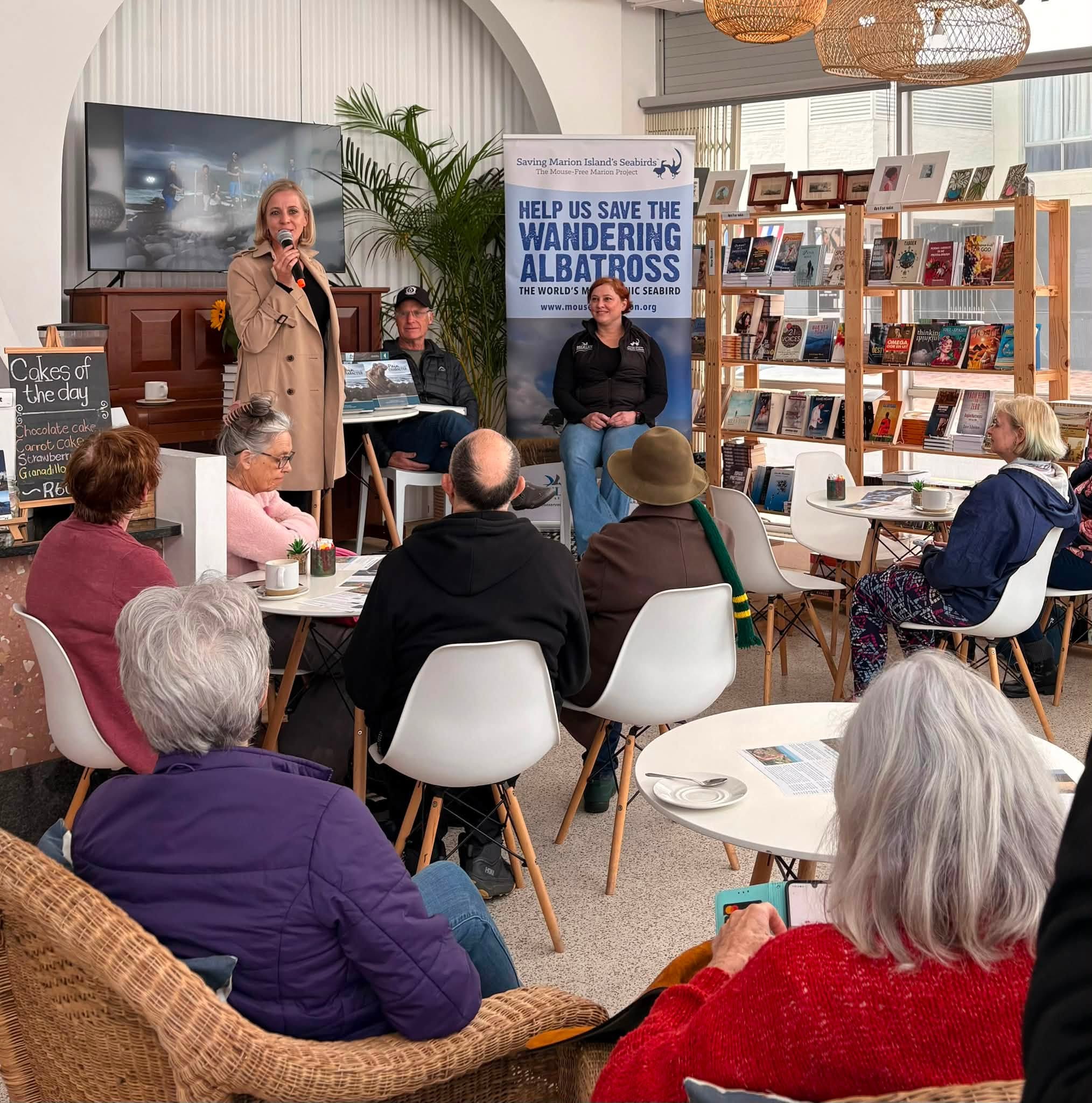
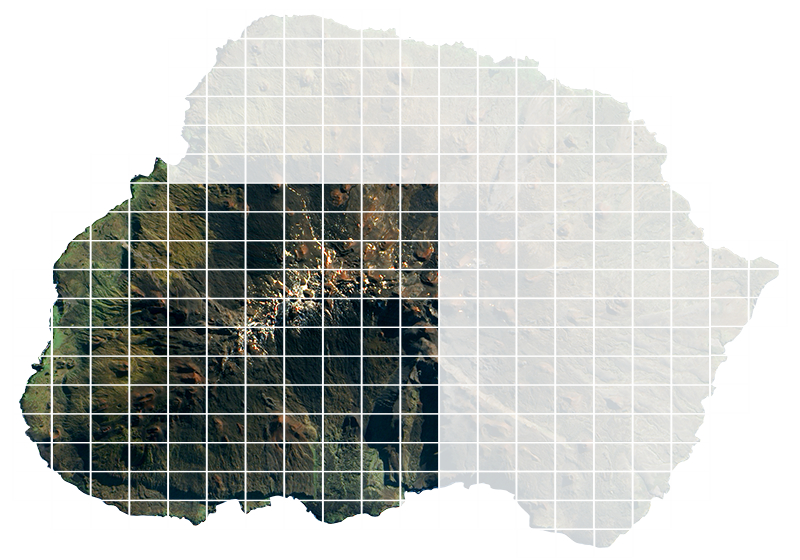
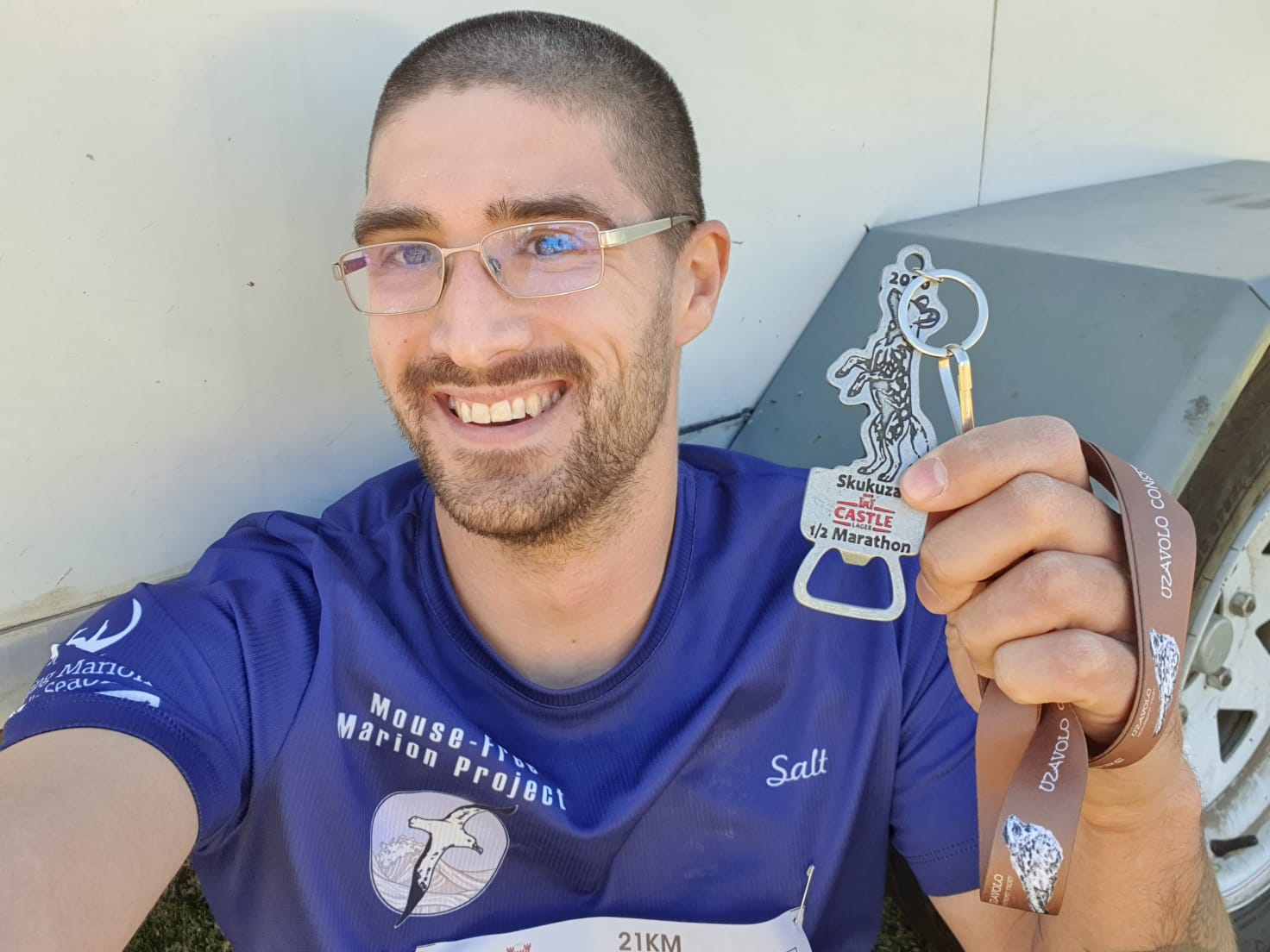
Above picture: Not just birders but also conservationists. The relatively small Lakes Bird Club in the Western Cape has kindly sponsored 13 hectares for the Mouse-Free Marion Project
South Africa can be regarded as a birder’s paradise. With over 870 species on the national list (representing 8% of the world’s total) and 18 endemics (and one endemic family, the Sugarbirds, Promeropidae) in a nation that stretches from the Tropics to the sub-Antarctic, it is no surprise there are around 40 regional bird clubs that hold regular outings and meetings for their members. Thirty-four of these clubs are affiliated to BirdLife South Africa. The members of these clubs are just not bird lovers; they are also conservationists ready to support environmental causes.
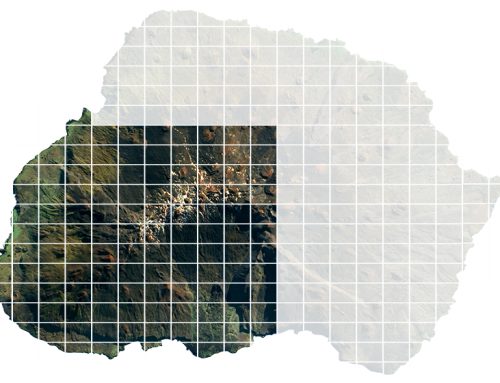
No less than 30 South African bird clubs (and a regional forum of 11 affiliated clubs in the north of the country) have contributed to the Saving Marion Island’s Seabirds: The Mouse-Free Marion (MFM) Project’s crowd-funding initiative by sponsoring hectares. Clubs have raised funds by appeals to their members, collections at meetings, from raffles, by holding an art auction, sales of a club calendar and from bequests, with a total of 408 ha sponsored to date. This equates to a generous R408 000. Some clubs have made sponsorships to mark significant anniversaries of their establishment, and several have made repeat sponsorships. The top five clubs, BirdLife eThekwini KZN (100 ha), Witwatersrand Bird Club (45 ha), BirdLife Lowveld (42 ha), Dolphin Coast Bird Club (26 ha) and BirdLife KZN Midlands (22 ha), have sponsored 235 hectares between them. The other 25 clubs, often with smaller numbers of members, have sponsored up to 20 hectares each (click here). Special recognition should be given to the 20-ha sponsorship of the erstwhile Phalaborwa Bird Club, which according to its then member Lieliebet van der Westhuizen, on dissolution in 2025 “donated all our money to the Marion Project”. The BirdLife South Africa Northern Region Bird Club Forum also sponsored 20 ha.
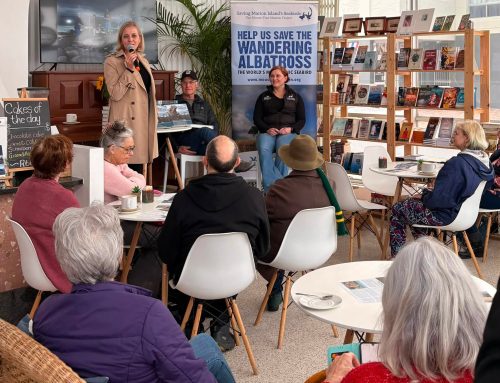
Many club members were aboard the Flock to Marion AGAIN! 2025 voyage where they learnt about the MFM Project via lectures and auctions, and were then able to make their individual contributions by sponsoring a hectare or more (click here).
The MFM Project wishes to thank all the bird clubs and their members who have contributed to the effort to rewild Marion Island by eradicating its introduced House Mice. They have all become much appreciated “ambassadors” of the project. It is important to note that the Sponsor a Hectare scheme aims to raise R30 million, which will form only a part of the total cost of the project. The MFM Team is working hard to raise the major part of the required funding by a number of other means, both within and outside the country. Nevertheless, every hectare sponsored helps us towards our goal and is greatly welcomed.
The challenge is now for those South African bird clubs who have not yet made a sponsorship, and for those who have to increase their contributions, with the aim of reaching a club total of 500 hectares, equivalent to a handsome half a million Rands.
You can sponsor hectares, or make a donation of any amount, from here.
With thanks to Shireen Gould, Membership Manager, BirdLife South Africa
John Cooper, News Correspondent, Mouse-Free Marion Project, 04 March 2026
***************************************************************************************
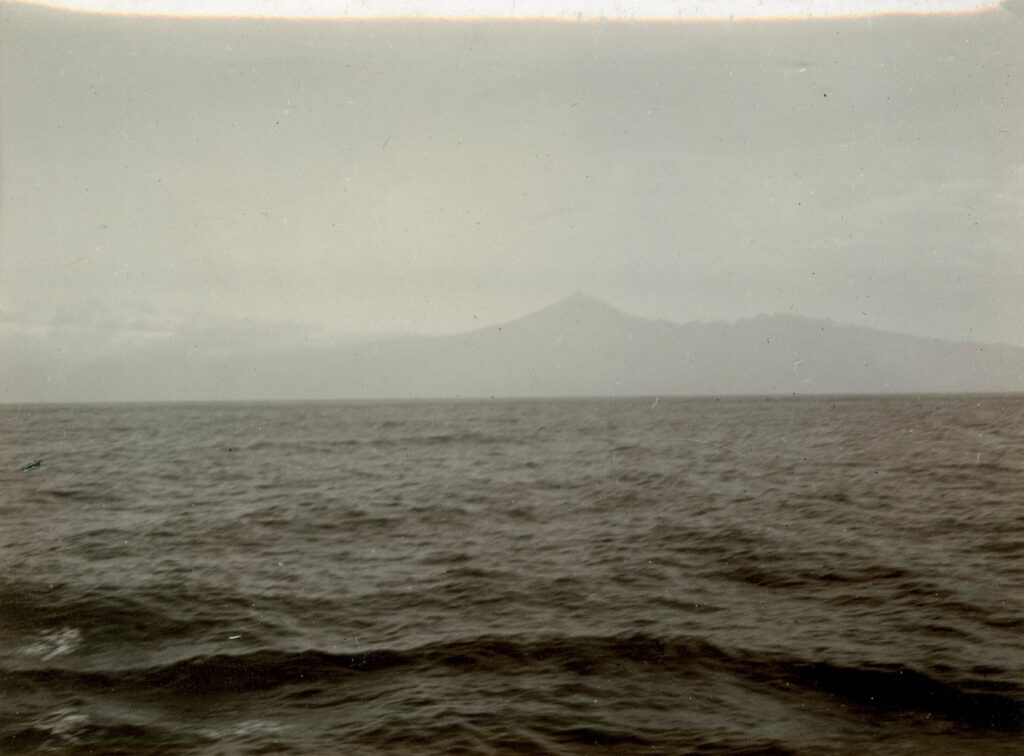
What is believed to be the first ever photograph of Marion Island from the sea, taken by Asbjørn Bjørnstad, Ship’s Secretary on the sealer Solglimt, on arrival on 15 October 1908. The next day the ship hit an offshore rock that only breaks in heavy swell, now known as the Solglimt Blinders, and was deliberately run ashore in a sinking condition in Ship’s Cove
The Mouse-Free Marion Project is a registered non-profit company (No. 2020/922433/08) in South Africa, established to eradicate the invasive albatross-killing mice on Marion Island in the Southern Ocean. The project was initiated by BirdLife South Africa and the South African Department of Forestry, Fisheries and the Environment. Upon successful completion, the project will restore the critical breeding habitat of over two million seabirds, many globally threatened, and improve the island’s resilience to a warming climate. For more information or to support the project please visit mousefreemarion.org.